ਸੰਤ ਬਾਬਾ ਭਾਗ ਸਿੰਘ ਯੂਨੀਵਰਸਿਟੀ
SANT BABA BHAG SINGH UNIVERSITY
Established vide Punjab Govt. Act No. 6 of 2015 and is recognized by UGC under Section 2(F) of UGC Act, 1956. (ISO 9001:2015)
Established vide Punjab Govt. Act No. 6 of 2015 and is recognized by UGC under Section 2(F) of UGC Act, 1956. (ISO 9001:2015)
Date:20-03-2026
Workshop Coordinator::Er.Manpreet Singh
Venue:Computer Lab, Block 5, SBBSU
Workshop Report
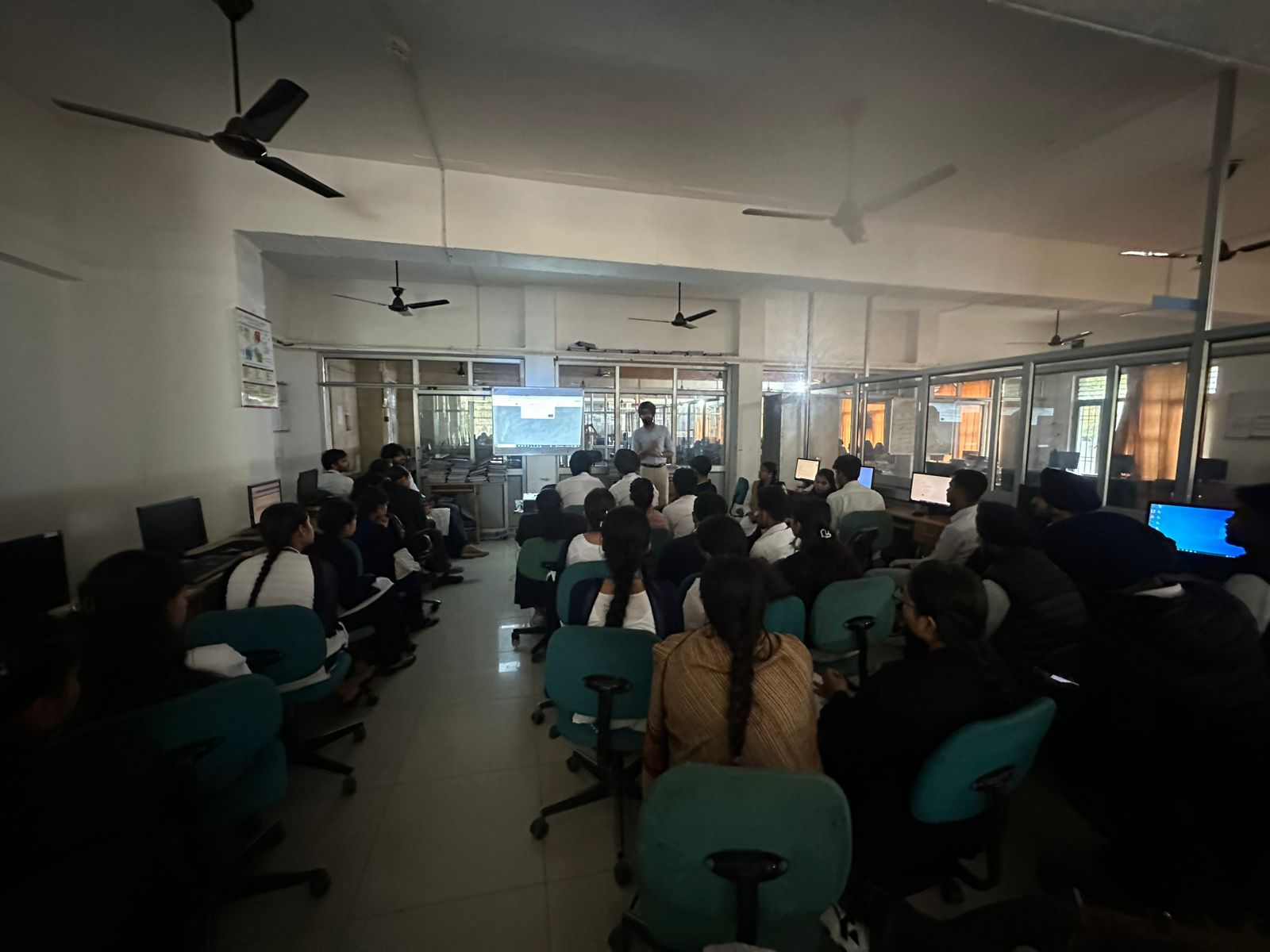
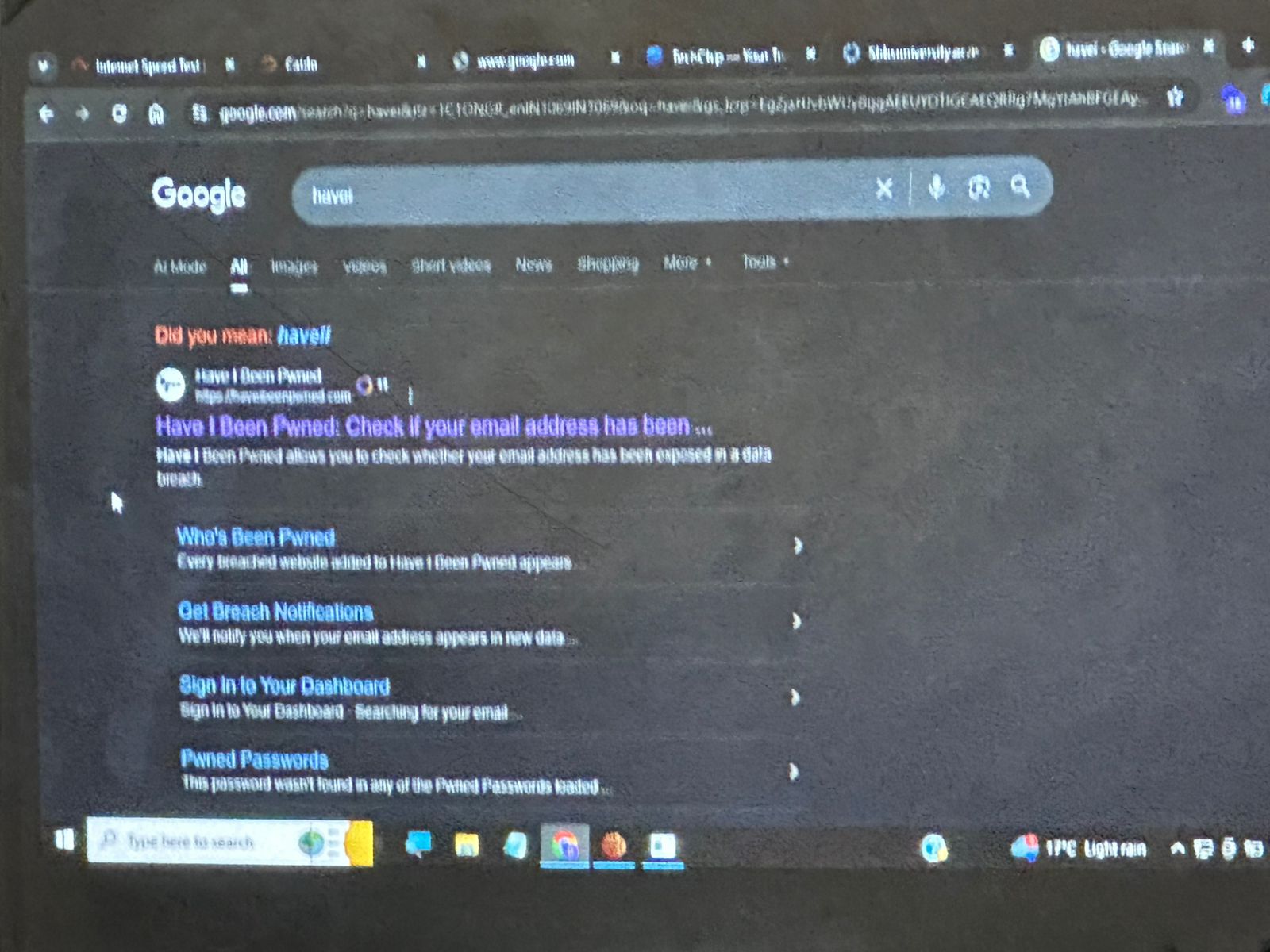
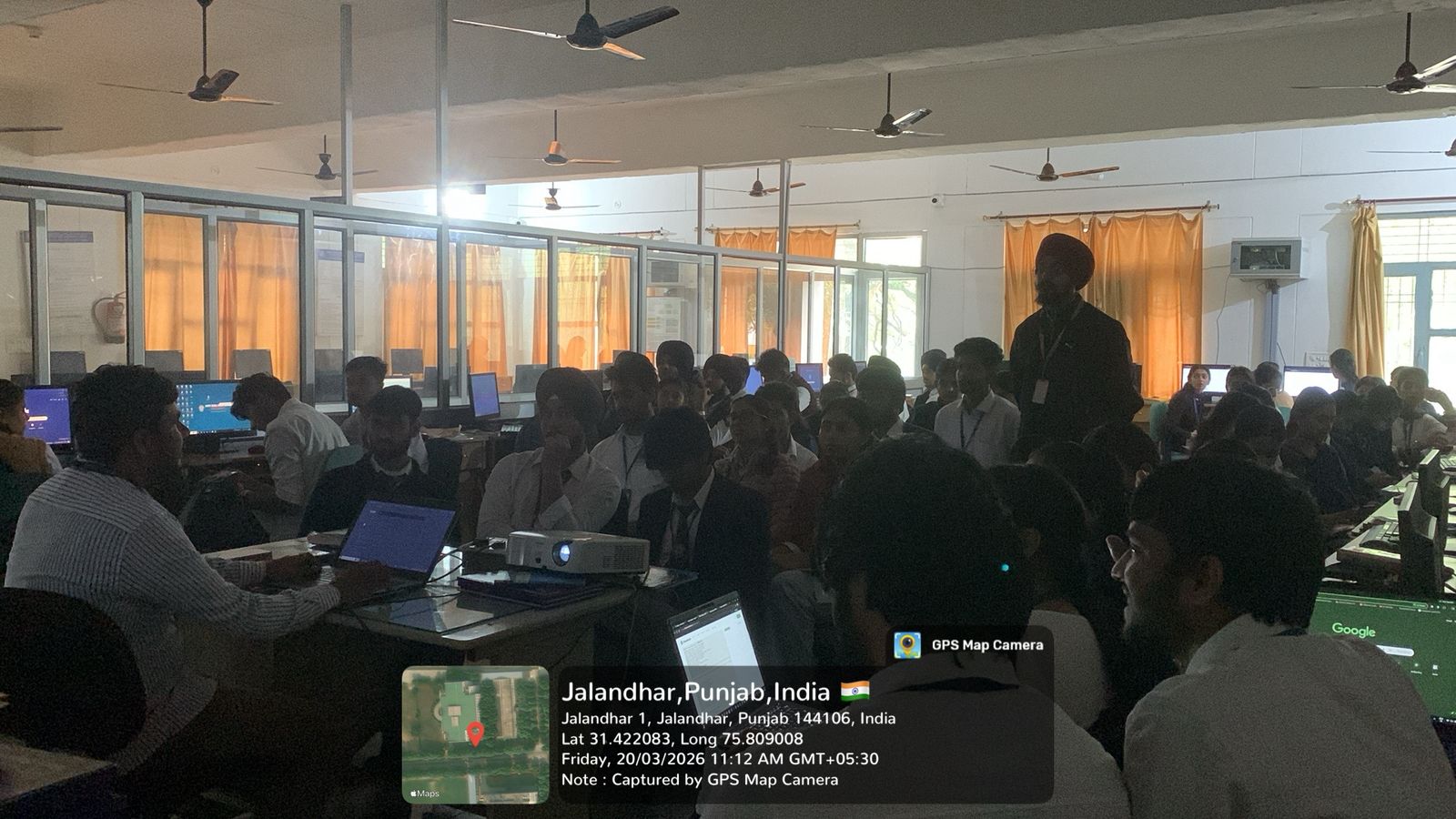
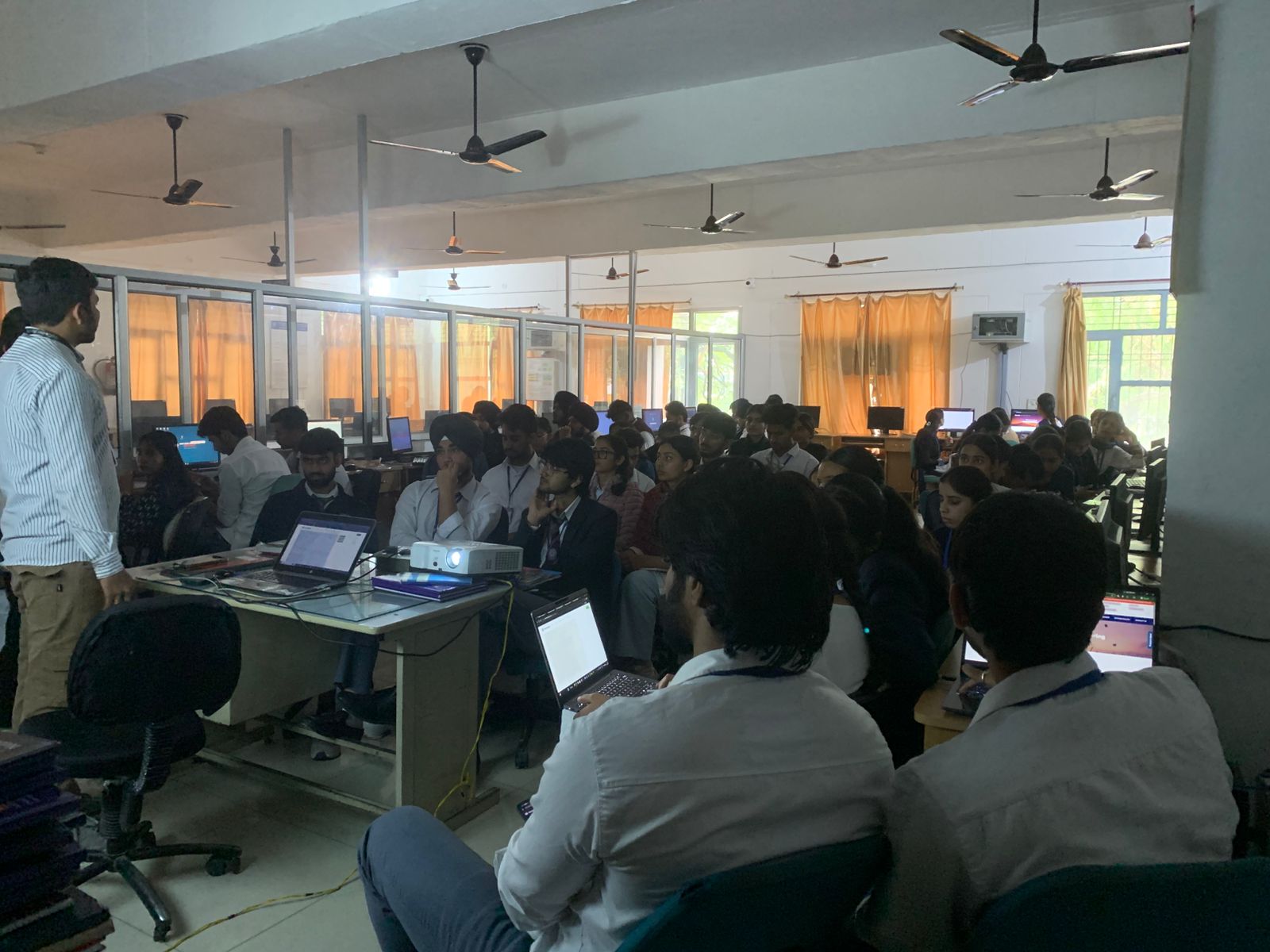
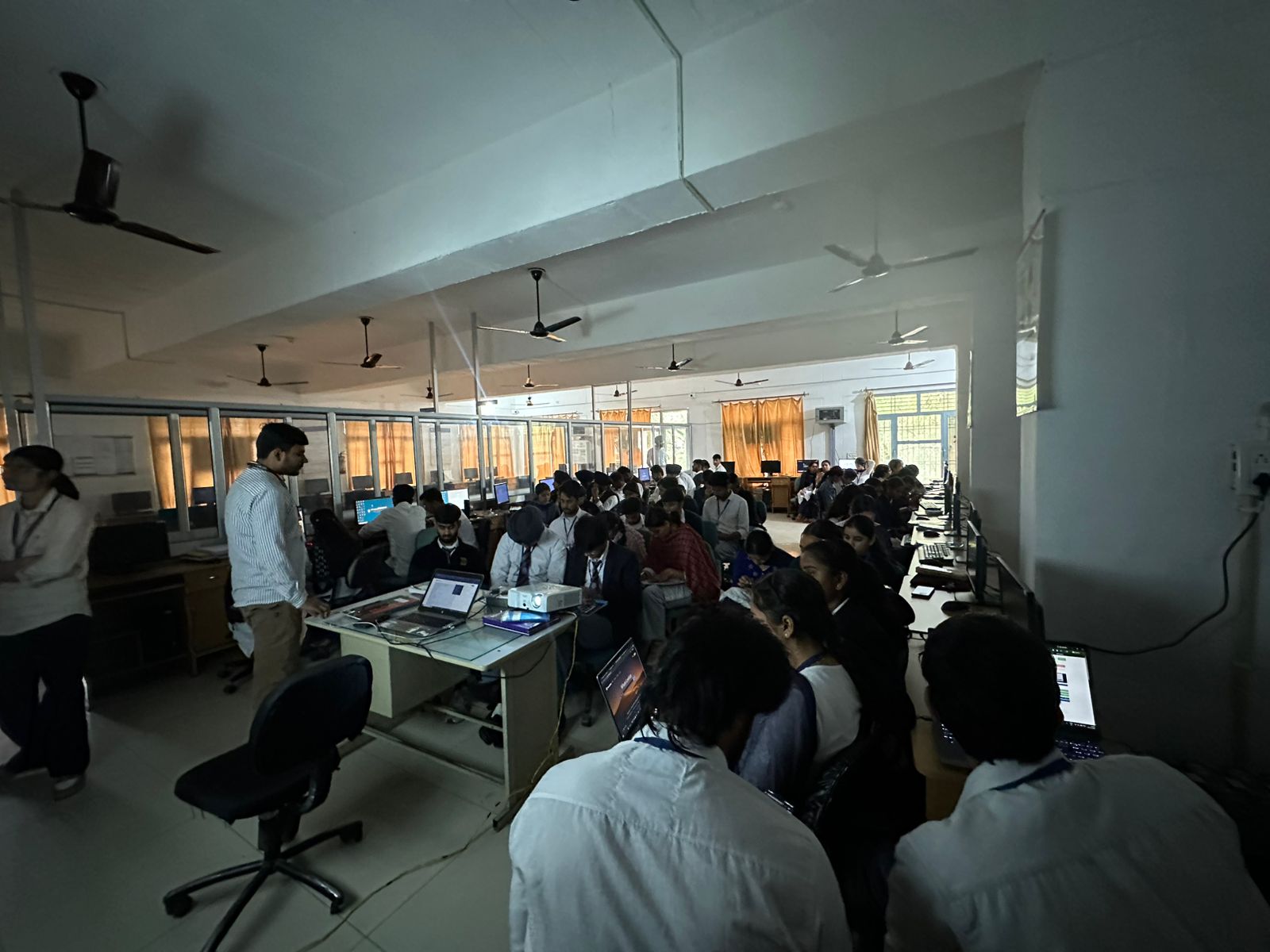
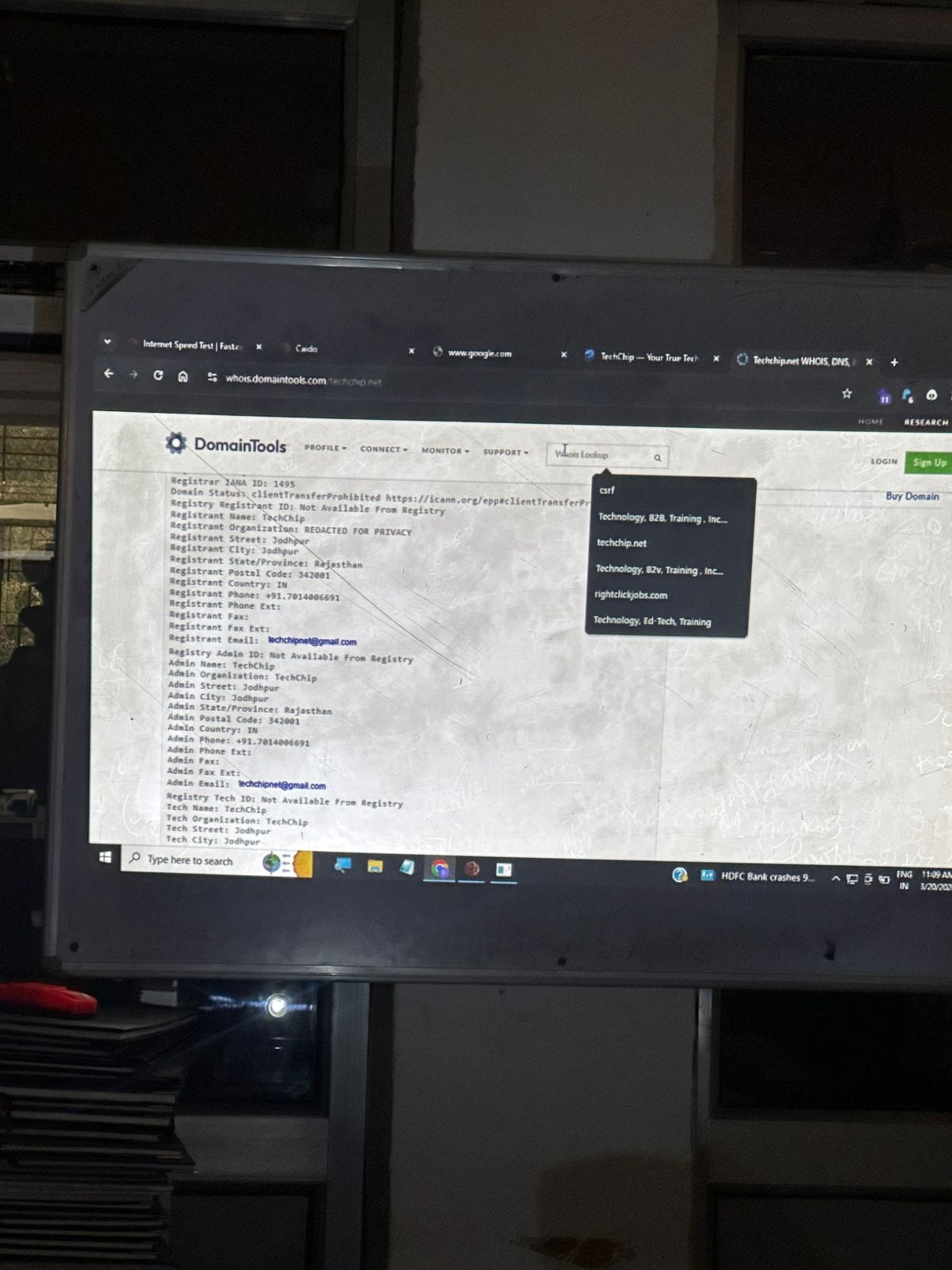
With the heavenly blessings of Reverend Sant Baba Malkit Singh Ji and Sant Baba Dlawar Singh Ji (Brahm Ji) and the benign endorsement of Hon’ble Chancellor, Sant Baba Manmohan Singh Ji, the Department of Computer Science and Engineering (UIET), in collaboration with the Training and Placement Cell, Sant Baba Bhag Singh University, organized an Workshop on “Hands-on Session on Artificial Intelligence and Robotics.” Under the guidance of Worthy Vice Chancellor Prof. (Dr.) Vijay Dhir, and Dean UIET Prof. (Dr.) Jagdeep Kaur, successfully organized a Workshop on Cyber Security conducted by Coder Roots. The workshop was planned as part of the department’s continuous efforts to provide students with industry-oriented knowledge and practical exposure. In the present digital era, where cyber threats are growing at an alarming rate, such initiatives play a vital role in equipping students with the knowledge and skills required to understand, prevent, and respond effectively to cyber risks. The primary objective of the workshop was to provide students with in-depth knowledge of cyber security concepts and ethical hacking while demonstrating real-time applications of tools used in the IT industry. The session aimed to bridge the gap between academic curriculum and practical implementation, create awareness about cyber threats, data breaches, and online vulnerabilities, and encourage students to pursue careers in cyber security, ethical hacking, and digital forensics. Additionally, the workshop focused on enhancing students’ analytical abilities to identify and secure systems against potential attacks, thereby preparing them for real-world challenges in the field of information security. The event witnessed enthusiastic participation from undergraduate students of Computer Science and related disciplines, along with faculty members from the CSE Department. The workshop was conducted in an interactive and engaging manner by experts from Coder Roots, who shared their industry experience and provided valuable insights into modern cyber security practices. The session included live demonstrations and practical examples, making the learning process more effective and relatable for students. One of the major highlights of the workshop was the demonstration of real-life ethical hacking tools used by cyber security professionals. The experts explained various types of cyber attacks such as phishing, ransomware, malware, and network intrusions, along with live simulations showing how attackers exploit system vulnerabilities. Students were guided through step-by-step security testing techniques and preventive strategies, along with an introduction to penetration testing methodologies. The discussion also covered the latest trends in cyber security and emerging threats, helping students understand the dynamic nature of the field. The workshop proved to be highly beneficial in enhancing students’ technical knowledge and analytical skills. Participants gained a clear understanding of the fundamentals of cyber security and ethical hacking, along with exposure to industry-standard tools and techniques. They learned how to identify common vulnerabilities in systems and networks and apply preventive measures to secure both personal and organizational data. The practical demonstrations helped students develop critical thinking skills to analyze cyber threats effectively and provided clarity on career opportunities and required competencies in the domain of cyber security. The feedback received from participants was overwhelmingly positive, with students and faculty members appreciating the interactive nature of the session. Students found the workshop highly informative and engaging, particularly valuing the hands-on demonstrations and real-life examples that simplified complex concepts. Many participants expressed increased interest in cyber security and a desire to explore the field further. Faculty members also acknowledged the importance of such initiatives in enhancing practical learning and recommended organizing more industry-oriented workshops and training programs in the future. Suggestions from participants included conducting advanced-level sessions, providing more hands-on lab experience, and offering certification-based training opportunities. In conclusion, the Cyber Security Workshop conducted by Coder Roots was a highly successful and impactful event that provided valuable exposure to real-world cyber security practices. The collaboration between the Department of CSE, the Training and Placement Cell, and industry experts played a significant role in enhancing students’ technical competencies and professional readiness. Such initiatives reflect the institution’s commitment to delivering quality education, promoting practical learning, and strengthening industry-academia collaboration. The department looks forward to organizing more such workshops in the future to continue empowering students with relevant skills and knowledge in emerging technological domains.