ਸੰਤ ਬਾਬਾ ਭਾਗ ਸਿੰਘ ਯੂਨੀਵਰਸਿਟੀ
SANT BABA BHAG SINGH UNIVERSITY
Established vide Punjab Govt. Act No. 6 of 2015 and is recognized by UGC under Section 2(F) of UGC Act, 1956. (ISO 9001:2015)
Established vide Punjab Govt. Act No. 6 of 2015 and is recognized by UGC under Section 2(F) of UGC Act, 1956. (ISO 9001:2015)
Date: 20-04-2026
Organizing Unit/Agency: University Institute of Law (UIL), Sant Baba Bhag Singh University
Venue: University Institute of Law, Block No. 7, Sant Baba Bhag Singh University
Under the Aegis of: IQAC, District Legal Services Authority, Jalandhar & NSS
Resource Person: Dr. Manpreet Kaur, University Institute of Law
Number of participants: 30 Students and 9 Faculty Members
Event Report
1. INTRODUCTION
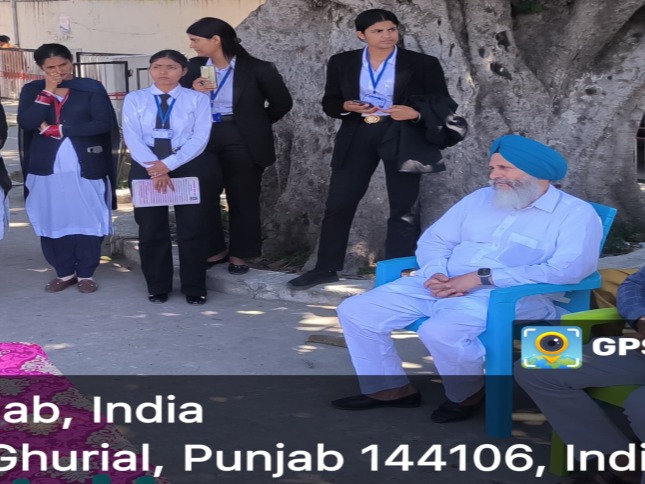
The University Institute of Law (UIL), Sant Baba Bhag Singh University, under the aegis of IQAC, District Legal Services Authority, Jalandhar, and NSS, organized a Legal Aid and Legal Literacy Camp on Women’s Rights on 20 April 2026 at the University Institute of Law, Block No. 7, Sant Baba Bhag Singh University.
The programme was organized with the objective of creating awareness among students regarding the legal rights and protections available to women and sensitizing them towards issues concerning gender equality, dignity, safety and access to justice. The initiative also aimed to promote legal literacy and acquaint participants with the available legal aid mechanisms and institutional support systems.
2. OBJECTIVES OF THE PROGRAMME
The programme was organized with the following objectives:
3. PROCEEDINGS OF THE PROGRAMME
The programme featured Dr. Manpreet Kaur as the Resource Person, who delivered an informative and insightful session on the legal rights and protections available to women.
Dr. Manpreet Kaur sensitized the participants about various constitutional safeguards and statutory provisions relating to women’s rights. She discussed the importance of equality, dignity, personal liberty and protection against discrimination, while also highlighting the legal framework dealing with issues such as domestic violence, sexual harassment, exploitation and other forms of violence against women.
The Resource Person explained the importance of legal awareness in enabling women to recognize violations of their rights and seek appropriate remedies. She also highlighted the significance of access to legal aid and legal services, particularly for persons who may face financial or social barriers in approaching the justice delivery system.
The session further emphasized the role of students in promoting legal literacy and creating awareness about women’s rights within their families and communities. Practical examples and contemporary situations were discussed to help participants understand the application of legal provisions in real-life circumstances.
4. INTERACTIVE SESSION
The programme adopted an interactive approach, encouraging students to actively participate in the discussion. Participants raised questions relating to women’s legal rights, available remedies, legal aid and institutional mechanisms for addressing grievances.
The interaction with the Resource Person enabled participants to clarify their concerns and develop a better understanding of the practical application of laws relating to women’s protection and empowerment.
5. PARTICIPATION
The programme witnessed enthusiastic participation from 30 students and 9 faculty members of the University Institute of Law.
The active participation of the students reflected their interest in understanding the legal framework relating to women’s rights and the mechanisms available for protecting and enforcing such rights.
6. KEY LEARNING OUTCOMES
The programme enabled participants to:
7. OUTCOME OF THE PROGRAMME
The Legal Aid and Legal Literacy Camp on Women’s Rights proved to be informative, interactive and socially relevant. It enhanced participants’ awareness of women’s legal rights and the mechanisms available for their protection and enforcement.
The programme strengthened students’ understanding of the importance of legal literacy, access to justice, gender equality and women’s empowerment. The practical discussions enabled participants to relate legal provisions to real-life situations and encouraged them to contribute towards creating greater legal awareness in society.
The initiative also highlighted the importance of collaboration between legal education institutions, Legal Services Authorities and community-oriented organizations in promoting legal literacy and ensuring effective access to justice.
8. CONCLUSION
The programme concluded with an interactive question-and-answer session, during which participants actively engaged with the Resource Person and sought clarification on various aspects of women’s rights and available legal remedies.
A formal Vote of Thanks was thereafter proposed, expressing gratitude to the University authorities, the District Legal Services Authority, Jalandhar, Resource Person, faculty members, students and all those who contributed towards the successful organization of the camp.
Overall, the Legal Aid and Legal Literacy Camp on Women’s Rights successfully achieved its objectives by enhancing legal awareness among students and emphasizing the importance of women’s empowerment, gender equality, dignity, safety and access to justice.
The programme served as a meaningful initiative towards strengthening legal literacy and encouraging students to become informed and responsible contributors to a just, equitable and inclusive society.