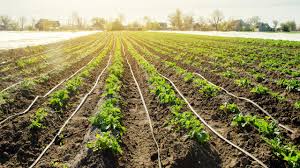
1. Drip Irrigation
Description: This method delivers water directly to the roots. It saves water and increases production.
- Requires less water
- Reduces moisture-related damage in fields
- Fertilizers can also be mixed with water
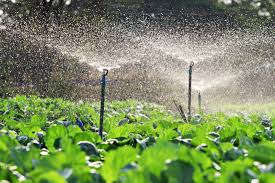
2. Sprinkler Irrigation
Description: This method sprays water in small droplets on crops, creating a rain-like effect.
- Suitable for all types of crops
- Ideal for uneven land
- Efficient use of water and fertilizers
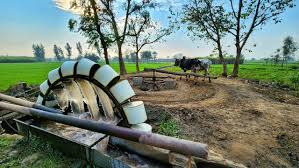
3. Traditional Irrigation Methods
Description: These include supply of water through canals, tube wells, and other vehicles.
- Very old but still used in many areas
- Easy for large fields
- High water consumption
4. Critical Irrigation Stages
Important stages for any crop:
- Wheat: Tillering, milk stage, and grain filling
- Rice: Immediately after transplanting, tillering, and flowering stage
- Maize: Vegetative growth, tasseling, and grain filling
📌 General Tips for Irrigation
- Use water judiciously – avoid wastage
- Irrigate based on soil moisture levels
- Morning or evening is best for watering
- Select irrigation method based on field and crop